Alex Mars
Equanimity is a non-innate quality of mind that humanity should strive to achieve, as it could be crucial for the survival of our species. Here's why:

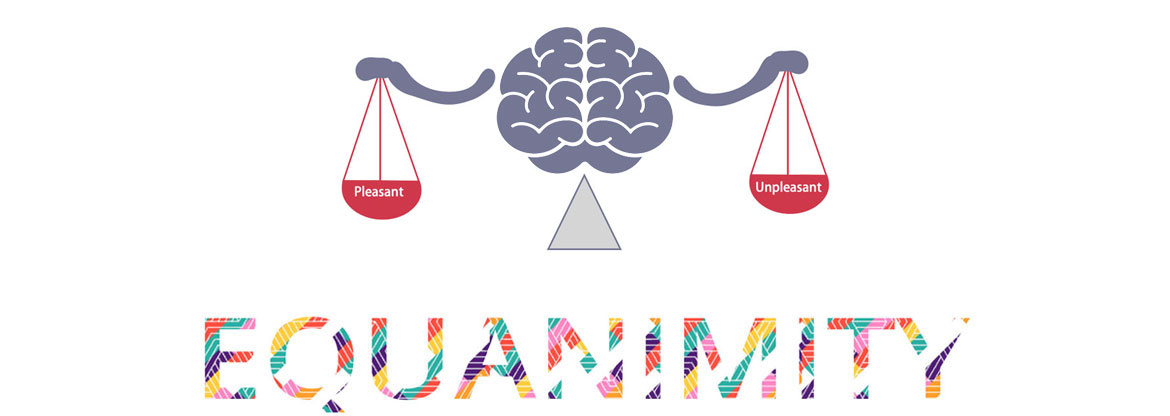
Equanimity is a non-innate quality of mind that humanity should strive to achieve, as it could be crucial for the survival of our species. Here's why:

Meditation is a simple activity, but at the same time, extremely hard to do. As Buddhist monk Bhante Gunaratana vividly described in his book "Mindfulness In Plain English," meditation is strenuous, lifelong, and very personal. It is a solitary activity that requires a lot of time, energy, determination, and discipline. It involves a range of unique qualities that people find stressful and uncomfortable and want to avoid whenever possible. Experts have described it as the most challenging task of the mind. Therefore, before investing precious time and energy, it is essential to know which meditation technique is best for you.

Abstract: Vipassana is an ancient meditation technique that will empower you to explore the deep interconnection between your mind and body. By paying disciplined attention to the physical sensations within your body, you can dissolve mental impurities and achieve a balanced mind filled with love and compassion. Vipassana is a thorough observational method that will make you more aware of your own experiences, leading you to newfound insight and understanding. With Vipassana, you will actively participate in observing your thoughts without getting caught up in them, enabling you to experience the truth behind the phenomena of impermanence, unsatisfactoriness, and selflessness. In general, it pursues three main goals: It allows you to get to know your inner self in-depth, clears the mind of old resentments and traumas, and releases noble and wholesome qualities from your subconscious.

The concept of Mindfulness is relatively recent to Western society and has not been widely considered or appreciated in the past. Nevertheless, the tide is turning, and Mindfulness is gaining increasing attention, particularly among those interested in the brain and mental health.

